



square
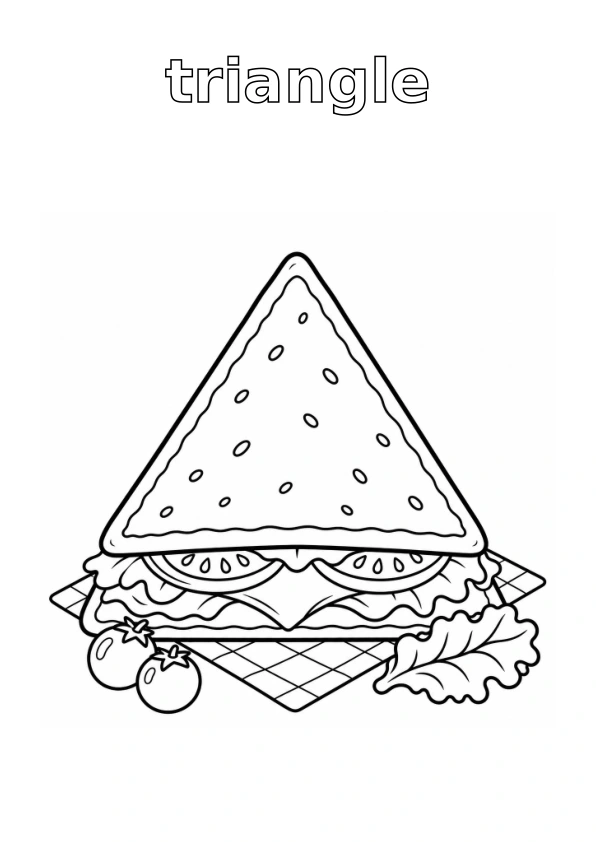
triangle

rectangle
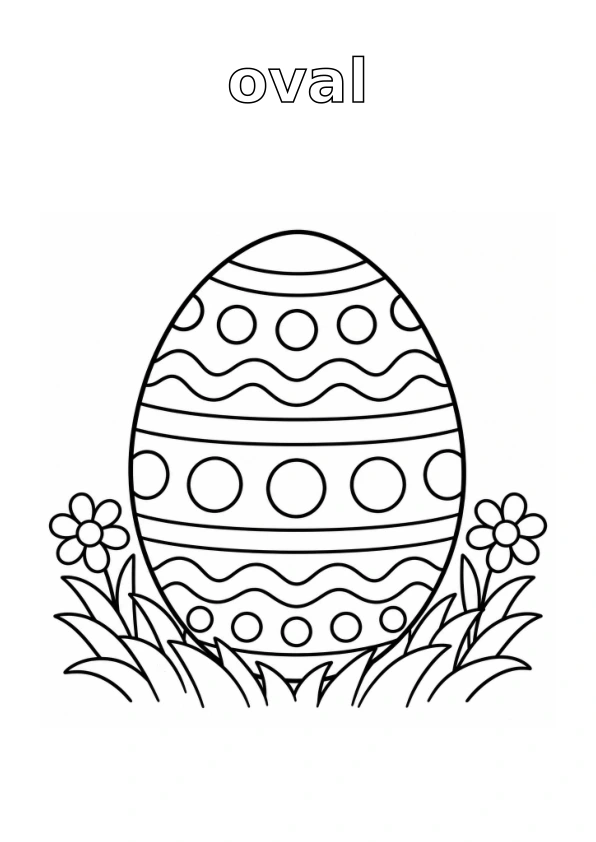
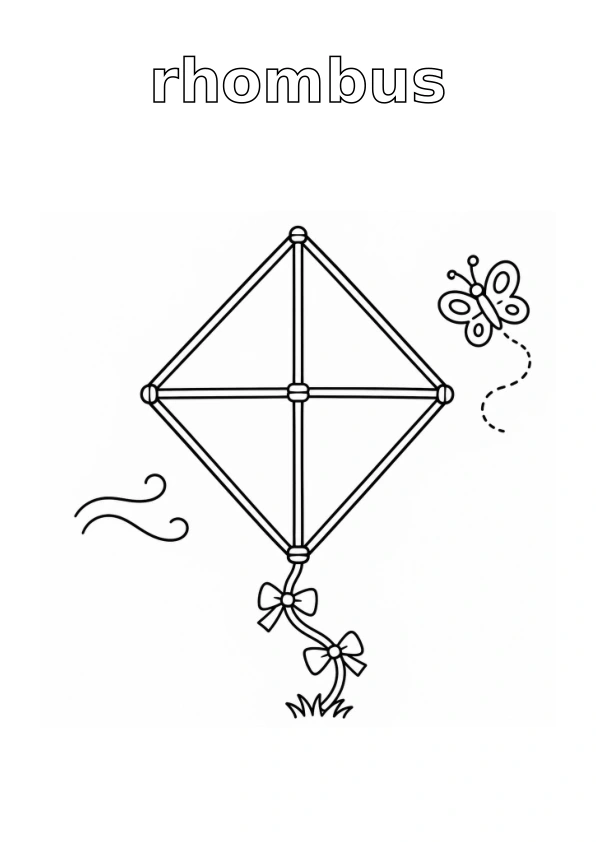
rhombus (diamond)

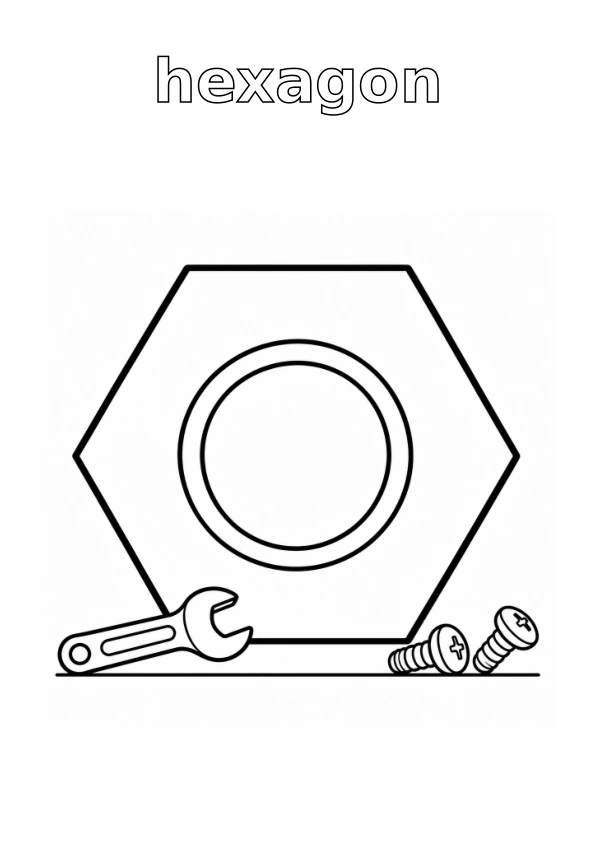
hexagon

octagon
Printing tip: Each shape opens as a separate PDF in a new tab. Save or print on A4 paper using “Fit to page”.
Find familiar shapes in everyday objects
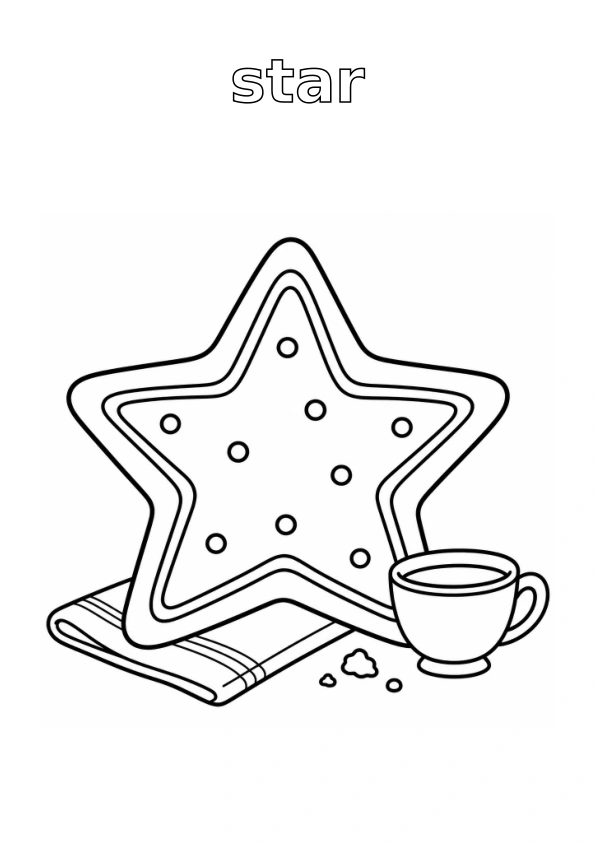
Shapes introduces English shape names through objects children can recognise and colour. A circle becomes part of a clock, a square appears as a window and a rhombus is represented by a kite. Each page focuses on one shape, with extra details around its main object to make the illustration inviting. The shape name is outlined as well, so the lettering can be coloured.
Begin by looking for the shape within the object. Trace its boundary with a finger and talk about what the child notices. Are there straight sides, curved edges or corners? You can compare the picture with another shape in the collection, using everyday language and introducing more precise vocabulary when it is helpful. Keep the focus on observing the outline rather than memorising a definition.
After colouring, search for another example nearby. A door, book cover or plate might offer a useful comparison, although real objects can include several shapes at once. Ask the child to explain which part resembles the printed shape. Children who enjoy drawing could make another object using the same outline, or add a small matching picture on separate paper.
Choose individual worksheets from the gallery and open their A4 PDFs in new tabs for saving or printing. The collection includes curved forms, polygons and familiar decorative shapes, allowing you to select a smaller group for comparison. Finished pages can form a shape display or a personal reference folder, bringing together the English names and the objects that helped make them memorable.
